

(eBook) Principles of Economics 11/e【附贈課後習題與解答】(一年期)
- ◉ eBook版本為美國版與亞洲版共用 ◉ 閱讀期限:1 year
售價
$
1,000
- 電子書
- ISBN:9798214055077
- 作者:N. Gregory Mankiw
- 版次:11
- 年份:2027
- 出版商:Cengage Learning
- 頁數/規格:Cengage MindTap
- 參考網頁:Principles of Economics 11/e
書籍介紹
本書特色
目錄
本書特色
►Cengage MindTap eBook 購買須知:
Overview
Economics is more than a subject -- it’s a way of thinking that blends the rigor of science with the relevance of society. Acclaimed author and economist Gregory Mankiw’s “Principles of Economics,” 11th Edition, introduces the principles of economics in an engaging, accessible way, helping readers understand how people make choices and interact within communities without overwhelming, excessive detail. In just one or two semesters, students will gain a powerful
framework for analyzing real-world problems, making informed decisions and becoming a more engaged citizen. This edition works seamlessly with the latest MindTap digital course solutions and student-focused resources.
- 附贈課後習題練習與解答(平台網頁版)。
- 收錄海量練習題,協助加強學習與考試準備(平台網頁版)。
- 支援手機電子書 App,隨時閱讀。
►Cengage MindTap eBook 購買須知:
- 閱讀期限:1 year
- 電子書兌換碼將於 3-5 個工作天,寄送至「序號寄送 E-mail」所填寫的信箱。
- 根據消費者保護法第 19 條第 1 項規定,本產品為數位內容,售出後恕不接受退貨或退款。
- 本產品僅限台灣境內使用,海外 IP 無法註冊或啟用。
- 本產品採亞洲版封面,電子書平台則顯示美國版封面,其內文完全相同。
- 如有任何問題,請 Email 至 ebook@tunghua.com.tw。
Overview
Economics is more than a subject -- it’s a way of thinking that blends the rigor of science with the relevance of society. Acclaimed author and economist Gregory Mankiw’s “Principles of Economics,” 11th Edition, introduces the principles of economics in an engaging, accessible way, helping readers understand how people make choices and interact within communities without overwhelming, excessive detail. In just one or two semesters, students will gain a powerful
framework for analyzing real-world problems, making informed decisions and becoming a more engaged citizen. This edition works seamlessly with the latest MindTap digital course solutions and student-focused resources.
Features & benefits
- NEW: The 11th edition’s new Chapter 36 on the Keynesian Cross (income-expenditure model) explains the multiplier effect and positive feedback loop in Keynesian theory. Instructors who prefer to skip this new chapter, however, can do so without loss of continuity.
- NEW: Timely topics have been added to every chapter—covering issues like antitrust cases, trade policies, consumer behavior, CPI data, and monetary policy—along with fresh discussions on artificial intelligence, sound institutions for prosperity, and the irrelevance of bilateral trade deficits.
- NEW: MindTap now features Data Exploration activities using real data from sources like FRED and BLS, with two auto-graded parts: students analyze a hypothetical scenario and then explore actual data to connect theory with real-world application.
- NEW: MindTap now offers AI in Action activities powered by Bongo where students use generative AI to research, analyze, and forecast real-world economic topics—then present findings in a written report to enhance student soft-skills.
- MindTap engages students with hallmark activities including Video Applications to introduce important themes from Gregory Mankiw, step-by-step Video Problem Walk-Throughs for tackling tough questions, and dynamic Concept Clips that make key economic terms easy to understand.
- MindTap also includes A+ Test Prep that equips students for success with over 3,900 current test questions, many paired with Quick Coach videos for on-the-spot support—proven to boost performance on high-stakes exams and overall course results.
Table of Contents
Part I: INTRODUCTION.
1. Ten Principles of Economics.
2. Thinking Like an Economist.
3. Interdependence and the Gains from Trade.
Part II: HOW MARKETS WORK.
4. The Market Forces of Supply and Demand.
5. Elasticity and Its Application.
6. Supply, Demand, and Government Policies.
Part III: MARKETS AND WELFARE.
7. Consumers, Producers, and the Efficiency of Markets.
8. Applications: The Costs of Taxation.
9. Application: International Trade.
Part IV: THE ECONOMICS OF THE PUBLIC SECTOR.
10. Externalities.
11. Public Goods and Common Resources.
12. The Economics of Healthcare.
13. The Design of the Tax System.
Part V: FIRM BEHAVIOR AND THE ORGANIZATION OF INDUSTRY.
14. The Costs of Production.
15. Firms in Competitive Markets.
16. Monopoly.
17. Monopolistic Competition.
18. Oligopoly.
Part VI: THE ECONOMICS OF THE LABOR MARKET.
19. The Markets for the Factors of Production.
20. Earnings and Discrimination.
21. Income Inequality and Poverty.
Part VII: TOPICS FOR FURTHER STUDY.
22. The Theory of Consumer Choice.
23. Frontiers in Microeconomics.
Part VIII: THE DATA OF MACROECONOMICS.
24. Measuring a Nation’s Income.
25. Measuring the Cost of Living.
Part IX: THE REAL ECONOMY IN THE LONG RUN.
26. Production and Growth.
27. Saving, Investment, and the Financial System.
28. The Basic Tools of Finance.
29. Unemployment.
Part X: MONEY AND PRICES IN THE LONG RUN.
30. The Monetary System.
31. Money Growth and Inflation.
Part XI: THE MACROECONOMICS OF OPEN ECONOMICS.
32. Open-Economy Macroeconomics: Basic Concepts.
33. A Macroeconomic Theory of the Open Economy.
Part XII: SHORT-RUN ECONOMIC FLUCTUATIONS.
34. Aggregate Demand and Aggregate Supply.
35. The Influence of Monetary and Fiscal Policy on Aggregate Demand.
36. The Keynesian Cross.
37. The Short-Run Trade-off between Inflation and Unemployment.
Part XIII: FINAL THOUGHTS.
38. Five Debates over Macroeconomic Policy.
Appendix: How Economists Use Data.
Glossary.
Index.
Part I: INTRODUCTION.
1. Ten Principles of Economics.
2. Thinking Like an Economist.
3. Interdependence and the Gains from Trade.
Part II: HOW MARKETS WORK.
4. The Market Forces of Supply and Demand.
5. Elasticity and Its Application.
6. Supply, Demand, and Government Policies.
Part III: MARKETS AND WELFARE.
7. Consumers, Producers, and the Efficiency of Markets.
8. Applications: The Costs of Taxation.
9. Application: International Trade.
Part IV: THE ECONOMICS OF THE PUBLIC SECTOR.
10. Externalities.
11. Public Goods and Common Resources.
12. The Economics of Healthcare.
13. The Design of the Tax System.
Part V: FIRM BEHAVIOR AND THE ORGANIZATION OF INDUSTRY.
14. The Costs of Production.
15. Firms in Competitive Markets.
16. Monopoly.
17. Monopolistic Competition.
18. Oligopoly.
Part VI: THE ECONOMICS OF THE LABOR MARKET.
19. The Markets for the Factors of Production.
20. Earnings and Discrimination.
21. Income Inequality and Poverty.
Part VII: TOPICS FOR FURTHER STUDY.
22. The Theory of Consumer Choice.
23. Frontiers in Microeconomics.
Part VIII: THE DATA OF MACROECONOMICS.
24. Measuring a Nation’s Income.
25. Measuring the Cost of Living.
Part IX: THE REAL ECONOMY IN THE LONG RUN.
26. Production and Growth.
27. Saving, Investment, and the Financial System.
28. The Basic Tools of Finance.
29. Unemployment.
Part X: MONEY AND PRICES IN THE LONG RUN.
30. The Monetary System.
31. Money Growth and Inflation.
Part XI: THE MACROECONOMICS OF OPEN ECONOMICS.
32. Open-Economy Macroeconomics: Basic Concepts.
33. A Macroeconomic Theory of the Open Economy.
Part XII: SHORT-RUN ECONOMIC FLUCTUATIONS.
34. Aggregate Demand and Aggregate Supply.
35. The Influence of Monetary and Fiscal Policy on Aggregate Demand.
36. The Keynesian Cross.
37. The Short-Run Trade-off between Inflation and Unemployment.
Part XIII: FINAL THOUGHTS.
38. Five Debates over Macroeconomic Policy.
Appendix: How Economists Use Data.
Glossary.
Index.
同系列書籍

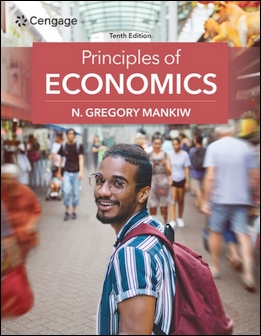
Economics

principles of economics


principles of economics
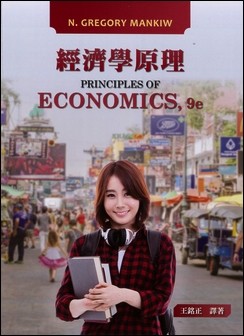

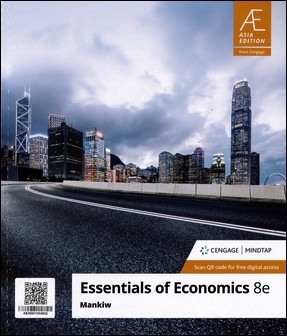
Economics

