
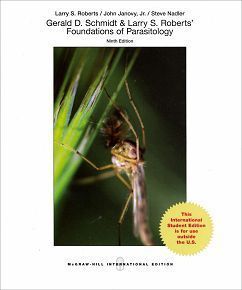
Foundations of Parasitology 9/e
售價
$
1,250
- 一般書籍
- ISBN:9780071326414
- 作者:Larry S. Roberts, John Janovy, Steve Nadler
- 版次:9
- 年份:2013
- 出版商:McGraw-Hill
書籍介紹
本書特色
目錄
作者介紹
Description
This textbook is designed especially for the upper-division courses in general parasitology. It emphasizes principles, illustrating them with material on the biology, physiology, morphology, and ecology of the major parasites of humans and domestic animals. Other parasites are included as well, when they are of unusual biological interest. This is not a diagnostic manual for medical students.
This textbook is designed especially for the upper-division courses in general parasitology. It emphasizes principles, illustrating them with material on the biology, physiology, morphology, and ecology of the major parasites of humans and domestic animals. Other parasites are included as well, when they are of unusual biological interest. This is not a diagnostic manual for medical students.
Features
- Student learning outcomes are provided for each chapter, which can be used by instructors for assessment.
- Updated Chapter Content including but not limited to:
- New Content is Chapter 2 covering fascinating material on the role played by parasites in food webs and ecosystems
- Chapter 3 has been rewritten, reorganized, and expanded, now including a section introducing antimicrobial peptides (defensins) and Toll-like receptors and tables listing the many ways that protozoan and helminth parasites evade host defenses. The discussion of Treg and dendritic cells has also been expanded as well as a section added on the microbial deprivation hypothesis relating parasitism to immune system development.
- This text continues to be the only text on the market that includes information on the latest findings and research on Nematomorpha in Chapter 31.
A detailed listing of updates to this text can be found in the Preface.
- Flexible Organization The first three chapters delineate important definitions and principles in evolution, ecology, immunology, and pathology of parasites and parasitic infections. Chapters on specific groups follow, beginning with protozoa and ending with arthropods. Presentation of each group is not predicated on students having first studied groups presented in prior chapters; therefore, the order can vary as an instructor desires.
- "Parasitology for Fun and Profit" Found in Chapter 1, this section emphasizes how students can earn an income while studying the fascinating world of parasites.
- Study Aids guide students to a clear understanding of the topics
- Essential terms, many of which are defined in a complete glossary, are boldfaced in the text to provide emphasis and ease in reviewing. In response to student requests, we again provide pronunciation guides for glossary entries.
- Numbered references at the end of each chapter make supporting data and further study easily accessible.
- Clear labeling makes all illustrations approachable and self-explanatory to the student.
Table of Contents
1 Introduction to Parasitology
2 Basic Principles and Concepts I: Parasite Systematics, Ecology and Evolution
3 Basic Principles and Concepts II: Immunology and Pathology
4 Parasitic Prototoa: Form, Function, and Classification
5 Kinetoplasta: Trypanosomes and Their Kin
6 Other Flagellated Protozoa
7 The Amebas
8 Phylum Apicomplexa: Gregarines, Coccidia, and Related Organisms
9 Phylum Apicomplexa: Malaria Organisms and Piroplasms
10 Phylum Ciliophora: Ciliated Protistan Parasites
11 Microsporida and Myxozoa: Parasites with Polar Filaments
12 The Mesozoa: Pioneers or Degenerates'
13 Introduction to Phylum Platyhelminthes
14 Trematoda: Aspidobothrea
15 Trematoda: Form, Function, and Classification of Digeneans
16 Digeneans: Strigeiformes
17 Digeneans: Echinostomatiformes
18 Digeneans: Plagiorchiformes and Opisthorchiformes
19 Monogenoidea
20 Cestoidea: Form, Function, and Classification of the Tapeworms
21 Tapeworms
22 Phylum Nematoda: Form, Function, and Classification
23 Nematodes: Trichinellida and Dioctophymatida, Enoplean Parasites
24 Nematodes: Tylenchina, Pioneering Parasites
25 Nematodes: Strongyloidea, Bursate Rhabditidans
26 Nematodes: Ascaridomorpha, Intestinal Large Roundworms
27 Nematodes: Oxyuridomorpha, Pinworms
28 Nematodes: Gnathostomatomorpha and Spiruromorpha, a Potpourri
29 Nematodes: Filaroidea, Filiarial Worms
30 Nematodes: Dracunculoidea, Guinea Worms and Others
31 Phylum Nematomorpha, Hairworms
32 Phylum Acanthocephala: Thorny-Headed Worms
33 Phylum Arthropoda: Form, Function, and Classification
34 Parasitic Crustaceans
35 Pentastomida: Tongue Worms
36 Parasitic Insects: Phthiraptera, Chewing and Sucking Lice
37 Parasitic Insects: Hemiptera, Bugs
38 Parasitic Insects: Fleas, Order Siphonaptera
39 Parasitic Insects: Diptera, Flies
40 Parasitic Insects: Strepsiptera, Hymenoptera, and Others
41 Parasitic Arachnids: Subclass Acari, Ticks and Mites
1 Introduction to Parasitology
2 Basic Principles and Concepts I: Parasite Systematics, Ecology and Evolution
3 Basic Principles and Concepts II: Immunology and Pathology
4 Parasitic Prototoa: Form, Function, and Classification
5 Kinetoplasta: Trypanosomes and Their Kin
6 Other Flagellated Protozoa
7 The Amebas
8 Phylum Apicomplexa: Gregarines, Coccidia, and Related Organisms
9 Phylum Apicomplexa: Malaria Organisms and Piroplasms
10 Phylum Ciliophora: Ciliated Protistan Parasites
11 Microsporida and Myxozoa: Parasites with Polar Filaments
12 The Mesozoa: Pioneers or Degenerates'
13 Introduction to Phylum Platyhelminthes
14 Trematoda: Aspidobothrea
15 Trematoda: Form, Function, and Classification of Digeneans
16 Digeneans: Strigeiformes
17 Digeneans: Echinostomatiformes
18 Digeneans: Plagiorchiformes and Opisthorchiformes
19 Monogenoidea
20 Cestoidea: Form, Function, and Classification of the Tapeworms
21 Tapeworms
22 Phylum Nematoda: Form, Function, and Classification
23 Nematodes: Trichinellida and Dioctophymatida, Enoplean Parasites
24 Nematodes: Tylenchina, Pioneering Parasites
25 Nematodes: Strongyloidea, Bursate Rhabditidans
26 Nematodes: Ascaridomorpha, Intestinal Large Roundworms
27 Nematodes: Oxyuridomorpha, Pinworms
28 Nematodes: Gnathostomatomorpha and Spiruromorpha, a Potpourri
29 Nematodes: Filaroidea, Filiarial Worms
30 Nematodes: Dracunculoidea, Guinea Worms and Others
31 Phylum Nematomorpha, Hairworms
32 Phylum Acanthocephala: Thorny-Headed Worms
33 Phylum Arthropoda: Form, Function, and Classification
34 Parasitic Crustaceans
35 Pentastomida: Tongue Worms
36 Parasitic Insects: Phthiraptera, Chewing and Sucking Lice
37 Parasitic Insects: Hemiptera, Bugs
38 Parasitic Insects: Fleas, Order Siphonaptera
39 Parasitic Insects: Diptera, Flies
40 Parasitic Insects: Strepsiptera, Hymenoptera, and Others
41 Parasitic Arachnids: Subclass Acari, Ticks and Mites
Larry S. Roberts, Texas Tech University Emeritus
John Janovy, Jr., University of Nebraska–Lincoln
Steve Nadler, University of California, Davis
John Janovy, Jr., University of Nebraska–Lincoln
Steve Nadler, University of California, Davis
